


hello, world!

i’m jarred carter

▿ SCROLL
01Security Engineer
02Selected Work
01

Threat Intelligence Investigation

CHEQ2026

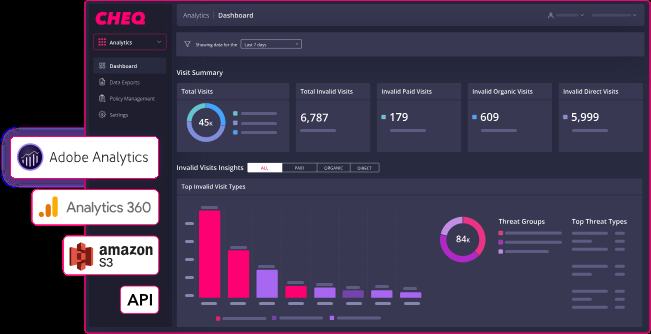
Automated bot traffic and ad fraud analysis across 126,959 e-commerce sessions for CHEQ, identifying attack patterns, quantifying financial impact, and developing a prioritized mitigation strategy to protect…

Threat IntelligenceBot DetectionAd Fraud
02

Offensive Security Engineering

NYU Tandon2025

Hands-on offensive security challenges tackling 20+ real-world malware samples and security vulnerabilities that combine reverse engineering, memory corruption analysis, and web application exploitation to…

Reverse EngineeringMalware AnalysisExploit Development
03

NBN Corporation Penetration Test

Engagement2024

Comprehensive penetration test of NBN Corporation's infrastructure uncovering critical vulnerabilities across web applications and servers, scoring findings against NIST CVSS v3, and delivering prioritized…

Penetration TestingVulnerability AssessmentWeb Application Security
04

Digital Forensics Analysis

NYU Tandon2024

End-to-end digital forensics investigation simulating a real-world incident: analyzing phishing and business email compromise attack vectors, recovering deleted evidence from system images, and reverse…

Digital ForensicsMalware AnalysisIncident Response
05

Application Security Engineering

NYU Tandon2024

A suite of five applied security engineering projects spanning web application security, mobile security, container hardening, binary exploitation, and API protection, with each targeting a distinct layer of…

Application SecurityVulnerability RemediationSecure Development

$ ls capabilities/

Penetration TestingVulnerability ManagementThreat IntelligenceDigital ForensicsMalware AnalysisReverse EngineeringIncident ResponseMITRE ATT&CKGRC & ComplianceApplication SecurityContainer SecurityAPI Security
03Published work

Writing and Research

01

Emissary-Ingress Security Self-Assessment

CNCF TAG Security — Security Pals · Fall 2023, published 2026 · Co-author

A community security assessment of Emissary-Ingress, the Kubernetes-native API gateway built on Envoy Proxy. Covers the threat model, actors and actions, security functions, secure development practices, and issue-resolution process. Co-authored with three others and published by the CNCF's security TAG.

02

Propulsion Systems Laboratory Virtual Simulator: 450-lb Airline Heater Model

NASA Glenn Research Center · 2021 · Propulsion Systems Analyst

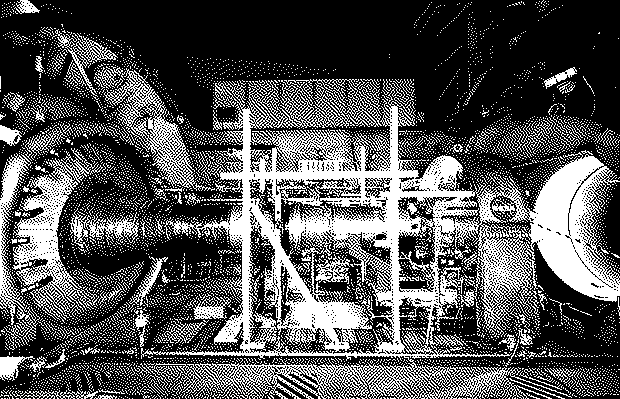
A virtual simulator for the Propulsion Systems Laboratory (PSL) at Glenn Research Center has been in development for several years to provide operators experience with conducting test runs prior to stepping into the actual control room. This project focused on the addition of a heater on the 450-lb airline in the simulator for the PSL. Mass flow and temperature relations were explored to generate three equations that were then tested against actual data from a PSL test run to determine one that best represented the actual data. This formula was then adapted into code that enabled the simulator to emulate the addition of fuel into the heater to heat the air on the journey to its designated test cell. Upon completion, the simulator was able to run smoothly and with values that mirrored those in the test run conducted in 2009.

Internal NASA work — not publicly available. Abstract shown in full.

03

Trade-off Model of Fog-Cloud Computing for Space Information Networks

IEEE Cloud Summit · 2020 · First author

As IoT demand pushes cloud providers toward satellite operators, moving data between nodes in a space information network becomes a confidentiality, integrity, and availability problem. This paper examines whether a fog-cloud architecture is viable in that setting, and what fog computing specifically buys you on the security side, evaluating existing proposals against the attack surface between nodes. Presented at IEEE Cloud Summit in Harrisburg, PA.

Co-authored with Husnu S. Narman, Ozlem Cosgun, and Jinwei Liu. DOI: 10.1109/IEEECloudSummit48914.2020.00020

04Off the keyboard

I also teach fifty of the hardest minutes in New York.

Megaformer instructor at SLT. Which is really a job about people: reading a room of fifteen strangers, correcting form without killing confidence, and keeping the energy up when everyone’s shaking. Security work needs the same skill — the finding only matters if you can get someone to act on it.

Learn more

The SLT NoHo studio floor
SLT / NOHOHOVER TO DEVELOP

let’s connect.

You made it to the bottom, which means you either want to hire me or you’re very thorough. Both are good signs.

$ exit 0_

$ cat colophon.txt

Die-hard Apple fan since my pre-teen years — so this whole thing is a love letter to System 7 (1991). The menu bar, the bitmap type, the hard-edged panels, and the 1-bit imagery are all borrowed from it.

That image treatment is Atkinson dithering, named for Bill Atkinson, who wrote QuickDraw for the original Macintosh. It pushes only 6/8 of the quantization error into neighboring pixels, which is why it reads crisp instead of muddy — and why the dots can melt back into a photograph when you open one.

Display
Pacifico
Text
Space Grotesk
Data
Geist Mono
Chrome
Silkscreen
Halftone
Atkinson, 1-bit
Homage
System 7, 1991
COPYRIGHT © 2026 JARRED CARTER. MADE WITH L♥VE IN NEW YORK CITY

Selected work

Threat Intelligence Investigation

CHEQ 2026
Threat IntelligenceBot DetectionAd FraudE-Commerce Security

Automated bot traffic and ad fraud analysis across 126,959 e-commerce sessions for CHEQ, identifying attack patterns, quantifying financial impact, and developing a prioritized mitigation strategy to protect revenue-generating workflows and advertising spend.

The Problem

E-commerce platforms are a high-value target for automated abuse, and most of it is invisible at first glance. Bots mimicking legitimate user behavior inflate traffic metrics, drain advertising budgets, hoard inventory, and stuff credential databases, all while flying under the radar of conventional monitoring. CHEQ needed a rigorous behavioral analysis of their session data to answer a question that's harder than it sounds: which of these 126,959 sessions are actually human?

What’s Included

  • Behavioral signal analysis across 126,959 e-commerce sessions to identify automated bot traffic
  • Multi-signal correlation including datacenter ASNs, headless browser indicators, timezone mismatches, and interaction speed analysis
  • Bot-driven attack pattern detection targeting checkout, login, and product endpoints
  • Ad fraud quantification across paid Google and Bing search traffic consumed by automated sessions
  • Prioritized mitigation strategy covering ASN blocking, device fingerprint detection, rate limiting, and MFA enforcement

Impact

Identified that 25.51% - or roughly 1 in 4 visitors - of all sessions were automated bot traffic. That finding alone reframes how CHEQ interprets their analytics, allocates ad spend, and designs abuse protections. The investigation estimated $3,362 – $13,448 in wasted advertising spend attributable to bots interacting with paid search campaigns, and surfaced active attack patterns consistent with two of the most revenue-critical endpoints on any e-commerce platform: inventory hoarding and credential stuffing at the checkout and login layers.

View project

CHEQ SESSION ANALYTICS
CHEQ SESSION ANALYTICSHOVER TO DEVELOP

$ cat stack.txt

Python: session data analysis and signal correlation scriptingSQL: behavioral data querying and aggregationCHEQ dataset: 126,959 labeled e-commerce sessions with behavioral metadataASN intelligence: datacenter and infrastructure source identificationDevice fingerprinting: reuse detection across automated sessionsGoogle & Bing Ads data: paid traffic analysis for ad fraud quantification

Selected work

Offensive Security Engineering

NYU Tandon 2025
Reverse EngineeringMalware AnalysisExploit DevelopmentCTF

Hands-on offensive security challenges tackling 20+ real-world malware samples and security vulnerabilities that combine reverse engineering, memory corruption analysis, and web application exploitation to develop adversarial intuition and enterprise-grade remediation skills.

The Problem

Textbook security knowledge only goes so far. CTF challenges force you to think like an attacker: working backwards from a compiled binary, a memory dump, or a broken web application to understand exactly how and why something is exploitable. The goal here wasn't just to capture flags; it was to build the kind of adversarial reasoning that translates directly into better defensive and remediation work in enterprise environments.

What’s Included

  • Reverse engineering of 20+ malware samples to identify threat actor TTPs and attack chains
  • Root cause analysis across 20+ security vulnerabilities spanning memory corruption and application security
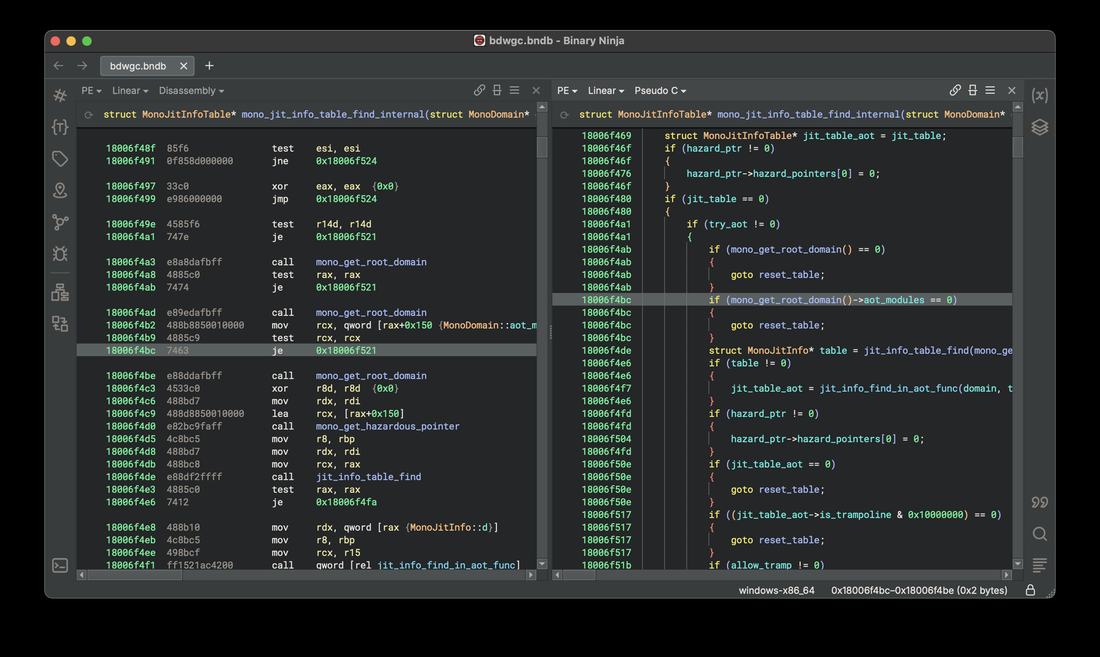
  • Binary analysis using Binary Ninja to deconstruct unknown executables and identify exploitation paths
  • Web application vulnerability assessment with documented findings and remediation recommendations
  • Findings translated into formats suitable for both technical teams and senior leadership

Impact

Working through 20+ malware samples and an equal number of vulnerabilities back-to-back builds a pattern recognition that's hard to get any other way. Each reverse engineering session deepened the ability to map unknown binaries to known TTPs and develop bespoke exploits, and each vulnerability root cause analysis sharpened the instinct for where code breaks down under adversarial pressure — skills that show up directly in penetration testing, incident response, and security code review.

View writeups

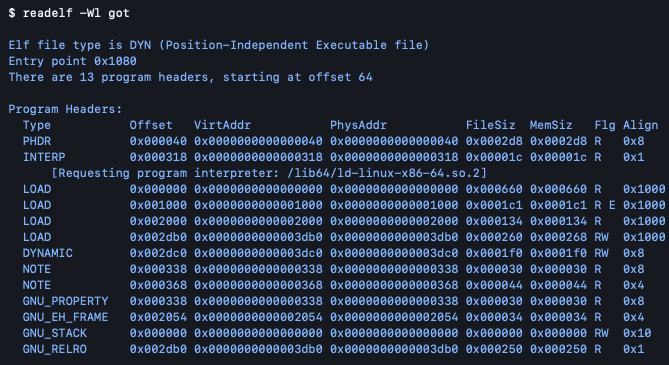
BINARY NINJA / PSEUDO-C
BINARY NINJA / PSEUDO-CHOVER TO DEVELOP
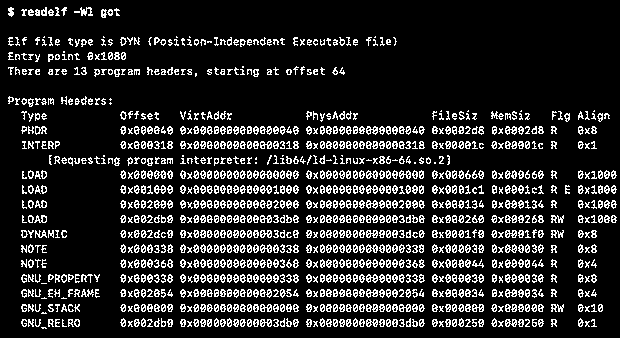
TERMINAL DISASSEMBLY
TERMINAL DISASSEMBLYHOVER TO DEVELOP

$ cat stack.txt

Ghidra: NSA-developed reverse engineering and binary analysis frameworkBinary Ninja: binary analysis and disassembly for malware inspectionBurp Suite: web application vulnerability testing and exploitationGDB: GNU debugger for dynamic binary analysis and memory inspectionMITRE ATT&CK: TTP mapping and threat actor behavior classificationPython: bespoke solver scripts for binary exploitation and unintended program behaviorpwntools: CTF exploit development framework for crafting and automating binary exploits

Selected work

NBN Corporation Penetration Test

Engagement 2024
Penetration TestingVulnerability AssessmentWeb Application SecurityRisk Scoring

Comprehensive penetration test of NBN Corporation's infrastructure uncovering critical vulnerabilities across web applications and servers, scoring findings against NIST CVSS v3, and delivering prioritized remediation recommendations to reduce systemic risk.

The Problem

NBN Corporation's infrastructure had never been put under adversarial pressure. Without a comprehensive penetration test, the organization had assumptions, not a reliable picture of its actual attack surface. The goal was to find out what a real attacker would find, score the severity of every finding objectively, and hand back a remediation roadmap that was actionable rather than just alarming.

What’s Included

  • Comprehensive penetration test across NBN Corporation's web applications and server infrastructure
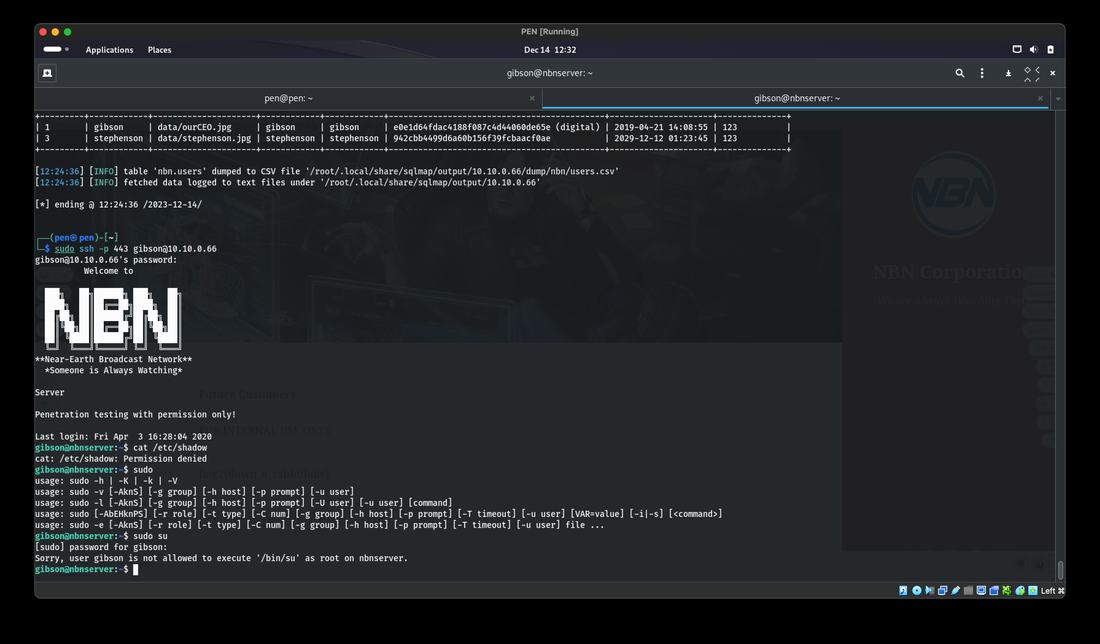
  • Identification of critical vulnerabilities including XSS, SQL Injection, Local File Inclusion, and unauthorized server access
  • NIST CVSS Version 3 scoring for all findings with an average criticality score of 8.86
  • Root access achieved across all systems, validating full compromise scenarios
  • Prioritized remediation recommendations including input sanitization, system updates, enhanced password policies, and microservice architecture to isolate network assets

Impact

An average CVSS score of 8.86 across findings tells the story clearly: this wasn't a theoretical risk assessment, it was a near-total compromise. Achieving root access on all systems demonstrated that the attack surface wasn't just wide, it was deep. The resulting remediation roadmap gave NBN Corporation a prioritized, evidence-based path to closing those gaps before a real attacker could follow the same steps.

Read the writeup (PDF)

ENGAGEMENT TERMINAL
ENGAGEMENT TERMINALHOVER TO DEVELOP

$ cat stack.txt

Metasploit: exploitation framework for vulnerability validation and root accessNmap: network reconnaissance and service enumerationBurp Suite: web application testing for XSS, SQLi, and LFINessus: automated vulnerability scanningNIST CVSS v3: standardized vulnerability scoring and risk classification

Selected work

Digital Forensics Analysis

NYU Tandon 2024
Digital ForensicsMalware AnalysisIncident ResponseReverse Engineering

End-to-end digital forensics investigation simulating a real-world incident: analyzing phishing and business email compromise attack vectors, recovering deleted evidence from system images, and reverse engineering malware to reconstruct attack chains and identify threat actor TTPs.

The Problem

When an incident happens, the evidence doesn't wait for you. Files get deleted, logs get overwritten, and attackers obfuscate their tracks. A forensic investigator's job is to reconstruct what happened from whatever survives (email headers, memory artifacts, fragmented file systems, compiled binaries, et cetera) that weren't meant to be read. This project simulated exactly that scenario: starting with 8 compromised system images and working backwards to surface the full attack chain.

What’s Included

  • Phishing and BEC attack vector investigation including email header, attachment, and link analysis
  • Recovery of deleted and obfuscated evidence across 8 system images including hashes, user accounts, logs, documents, and metadata
  • Reverse engineering of 20+ malware samples to identify threat actor TTPs and email-based attack chains
  • Threat intelligence correlation across reassembled evidence to identify attack patterns
  • Identification of 80+ functions, libraries, and security vulnerabilities through unknown executable analysis
  • Forensic image and file system creation and inspection using Procmon and PeStudio

Impact

Reassembling a fragmented attack chain across 8 system images — recovering deleted files, correlating metadata, and reverse engineering the malware that started it all — mirrors exactly what incident responders face after a real breach. The ability to identify 80+ functions and libraries in unknown executables, and map them back to attacker behavior, is the difference between knowing an incident happened and understanding how, why, and what to do next.

Essay: The Cuckoo's Egg

Coursework artifacts stay unpublished so quiz answers aren't given away. This essay is the one piece I can share; it shows analytical thinking and writing, not forensics tooling.

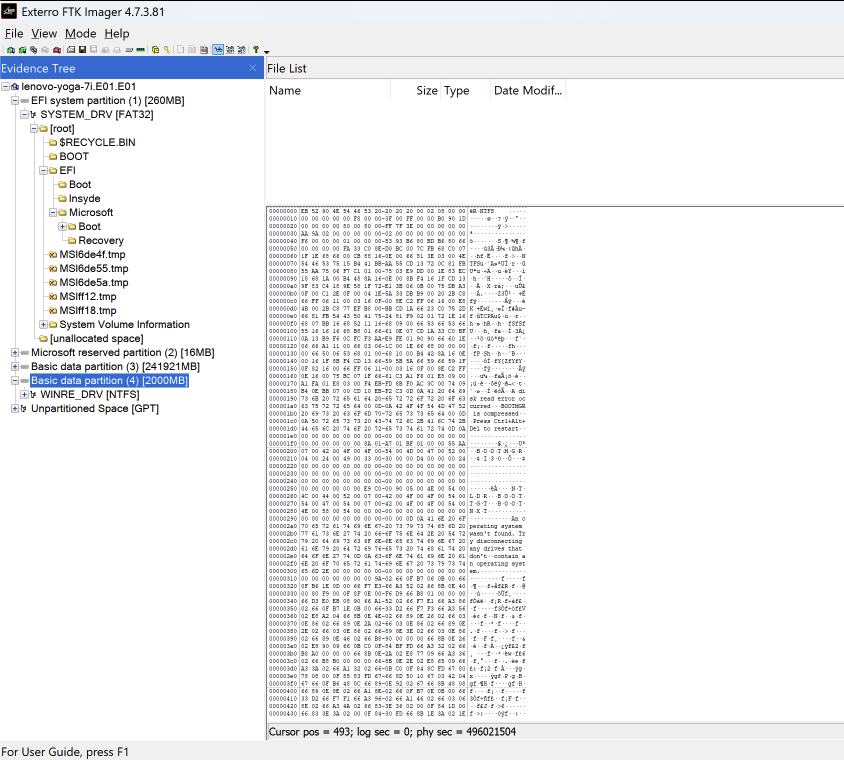
FTK IMAGER
FTK IMAGERHOVER TO DEVELOP

$ cat stack.txt

Scalpel: file carving and deleted evidence recovery from system imagesFTK Imager: forensic image acquisition and file system inspectionGhidra: reverse engineering and binary analysis of unknown executablesBinary Ninja: malware disassembly and TTP identificationAutopsy: digital forensics platform for evidence analysis and correlationProcmon: process monitoring and forensic image inspectionPeStudio: static malware analysis and executable inspectionMITRE ATT&CK: TTP mapping and threat actor behavior classification

Selected work

Application Security Engineering

NYU Tandon 2024
Application SecurityVulnerability RemediationSecure DevelopmentAI/ML Security

A suite of five applied security engineering projects spanning web application security, mobile security, container hardening, binary exploitation, and API protection, with each targeting a distinct layer of the modern application stack with hands-on assessment, remediation, and monitoring.

The Problem

Modern applications don't have a single attack surface — they have many. A web app can be hardened while the API it talks to leaks data. A container can be locked down while the mobile client it serves has unencrypted communications. Application security engineering means understanding the full stack and knowing where each layer breaks down under adversarial pressure. These five projects were designed to build exactly that: comprehensive, layer-by-layer security intuition grounded in real remediation work.

What’s Included

  • Identified and remediated 4 critical vulnerabilities (XSS, CSRF, SQL Injection, command injection) in a Django web application
  • Implemented automated detection rules and security controls applicable to AI/ML API environments
  • Security audit of an Android gift card application
  • Fixed Intent vulnerabilities and implemented HTTPS encryption for REST API communications
  • Removed privacy-invasive monitoring code
  • Secured containerized applications using Kubernetes
  • Implemented automated monitoring with Prometheus
  • Established security controls applicable to AI/ML model serving environments
  • Identified and fixed 6 buffer overflow and memory corruption vulnerabilities in a legacy C application
  • Achieved 85%+ code coverage through systematic test case development using AFL++ fuzzer
  • Implemented comprehensive API security controls and monitoring solutions
  • Established foundation for securing AI model APIs and detecting anomalous usage patterns

Impact

Across five projects, every major layer of the modern application stack got put under adversarial pressure — and fixed. From a Django app leaking to SQL injection, to an Android client with unencrypted API traffic, to a legacy C binary hiding buffer overflows, the through-line is the same: find the weakness, understand why it exists, and close it. The AI/ML security angle across multiple projects is particularly relevant as organizations rush to ship model-serving infrastructure without fully understanding its attack surface.

View on GitHub

6 METROTECH / NYU TANDON
6 METROTECH / NYU TANDONHOVER TO DEVELOP

$ cat stack.txt

Django: web application framework for security assessment and remediationBurp Suite: web application testing for XSS, CSRF, SQLi, and command injectionAndroid SDK: mobile application security audit and Intent vulnerability analysisKubernetes: container orchestration and security hardeningPrometheus: automated monitoring and anomaly detection for containerized environmentsAFL++: coverage-guided fuzzer for binary vulnerability discoveryGDB: dynamic analysis and memory corruption debuggingPython: security control implementation and monitoring automation

Experience

Security Analyst

Open Law Library Jun–Sep 2024 · Internship
SecurityDocumentationAutomationVerification

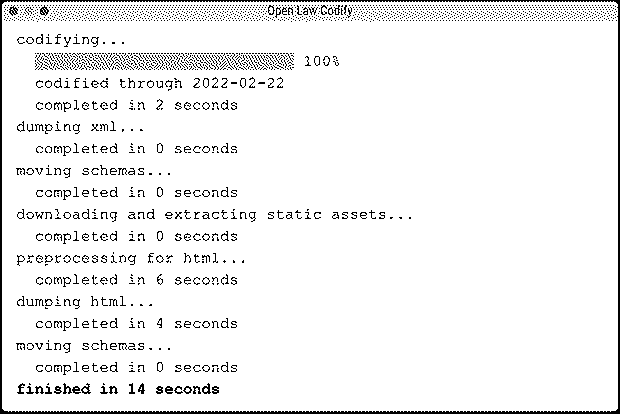
The Open Law Platform empowers people to focus on high-value tasks, auto-updates the legal code as laws become effective, and improves how people connect with citizens. Draft, codify, and publish better laws without onerous copyright restrictions and reduce repetitive tasks in the process.

The Problem

Public law infrastructure has a trust problem: when governments publish legal documents online, there's no guarantee that the content hasn't been tampered with by bad actors, accidental overwrites, or repository changes. Open Law Library's TAF (The Archive Framework) adds a Python-based layer over TUF (The Update Framework) to cryptographically authenticate law repositories hosted on GitHub.

The challenge is that engineering and operations teams weren't consistently using the security tooling, and the vulnerability process management lacked the structure needed to catch and remediate issues before they reached production, thus putting the integrity of law served to 40,000+ users at risk.

What’s Included

  • Documentation and reporting workflows designed to drive adoption of security tooling across engineering and operations teams
  • Operational security tooling maintenance ensuring continuous verification of code commits on public law hosting infrastructure
  • Vulnerability triage and remediation tracking aligned to internal SLAs
  • Risk assessment reporting built from aggregated vulnerability and system data across application and infrastructure environments

Impact

Supported security operations for a platform serving 40,000+ users where the stakes are unusually high: the content being protected is public law, and any undetected tampering would undermine civic trust in legal information. By improving documentation workflows and tightening the vulnerability management process, engineering teams gained clearer remediation paths and faster turnaround on findings, directly supporting the integrity of authenticated law repositories used by government partners including the City of San Mateo.

TAF on GitHub

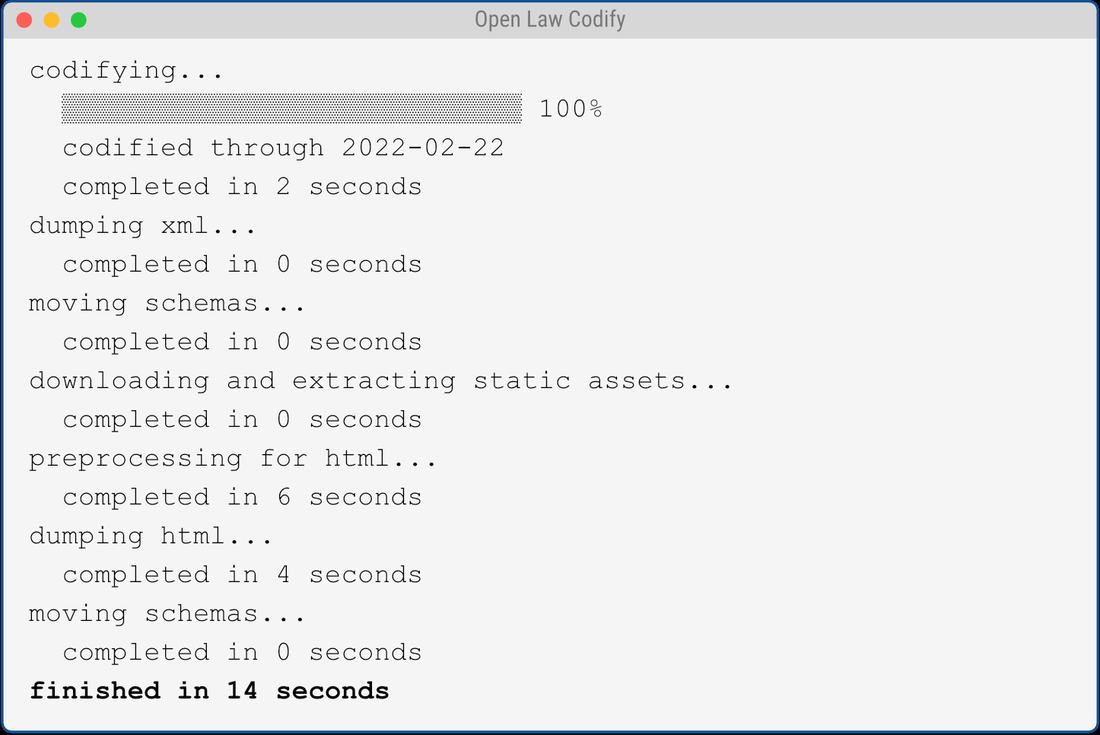
OPEN LAW PLATFORM
OPEN LAW PLATFORMHOVER TO DEVELOP

$ cat stack.txt

Python: primary language for TAF development and tooling contributionsTAF (The Archive Framework): Python-based framework built on top of TUF for authenticatingTUF (The Update Framework): underlying cryptographic signing and metadata validation standardGitHub: repository hosting for both law content (XML, HTML, PDF) and authentication metadataShell: Command line interface options developed to extend TAF's usability and updater functionality

Experience

Penetration Testing Engineer

City National Bank Aug–Dec 2022 · Internship
Penetration TestingVulnerability AssessmentIncident ResponseEnterprise Security

The Problem

Enterprise infrastructure is only as secure as its weakest component. City National Bank needed adversarial eyes on its systems. Not just automated scans, but human-led penetration testing that could uncover the kinds of vulnerabilities that slip past conventional monitoring. The challenge wasn't just finding issues, it was translating deeply technical findings into risk-based language that both security teams and executive stakeholders could act on, while keeping vulnerability management continuous rather than episodic.

What’s Included

  • Adversarial testing and vulnerability assessments across enterprise infrastructure
  • Risk-based remediation recommendations translated for both technical and executive audiences
  • Vulnerability scanning, detection, and monitoring system operations
  • Cross-functional prioritization of vulnerabilities by risk, exploitability, and asset criticality
  • Incident response and threat analysis including malware payload analysis and email investigation
  • MITRE ATT&CK-aligned TTP identification using Wireshark and supporting security tooling

Impact

Served as the technical bridge between security and business units at a regional bank, where the cost of a missed vulnerability isn't abstract; rather, it's regulatory, financial, and reputational. By combining hands-on adversarial testing with clear stakeholder communication, findings moved faster from discovery to remediation, and the SOC, infrastructure, and IT ops teams had a shared prioritization framework they could actually work from.

CITY NATIONAL BANK HQ
CITY NATIONAL BANK HQHOVER TO DEVELOP

$ cat stack.txt

Metasploit: exploitation framework for adversarial testingNmap: network scanning and reconnaissanceNessus: vulnerability scanningWireshark: network traffic analysis and anomaly detectionMITRE ATT&CK: TTP mapping and threat analysis frameworkBurp Suite: web application security testing

Experience

Information Systems Specialist I

WorkForce West Virginia May 2018–Aug 2023
IT Asset ManagementAccess ControlGRC & ComplianceAutomation

IT asset management, security compliance, and cross-functional systems support across 18 WorkForce West Virginia career centers statewide to build the visibility infrastructure and operational workflows that kept a large distributed government workforce running securely and efficiently.

The Problem

Managing IT assets, software licensing, and user access across 18 geographically dispersed government career centers is a coordination problem as much as a technical one. Without centralized visibility, hardware went underutilized, licensing costs ballooned, and security and compliance standards were applied inconsistently across locations. There was no single source of truth for asset lifecycle, system usage, or access controls — making risk assessment, remediation, and reporting largely reactive.

What’s Included

  • Live dashboards and KPIs for IT asset inventory, system usage, and lifecycle tracking across 18 centers
  • In-house systems for software licensing and hardware usage tracking
  • End-to-end IT asset lifecycle workflows including provisioning, de-provisioning, and end-of-life management
  • User access management and periodic access reviews for OSCAR, RAPIDS, WorkForce WV, DMV, and related applications
  • Standard operating procedures and user access documentation
  • Automated solutions for process improvement and federal/state compliance
  • Technical support and training for staff and management across all regional centers

Impact

Increased cross-functional visibility by 70% across all 18 centers and cut approximately $150,000 in costs by replacing third-party tools with purpose-built in-house systems. Over five years, the work evolved from tactical IT support into a foundational compliance and risk infrastructure — one that gave a distributed government agency the asset visibility and access control documentation it needed to meet federal and state program requirements consistently.

Visit site

$ cat stack.txt

Google Workspace: file sharing, access forms, and tracking systemsMicrosoft Office: reporting, documentation, and workflow managementOSCAR: user access management and application maintenanceOnBase: document management and application supportPython: automation and process improvement scriptingSQL: data aggregation across asset inventory and identity systems.NET: construction of in-house resume-building software